Contenido
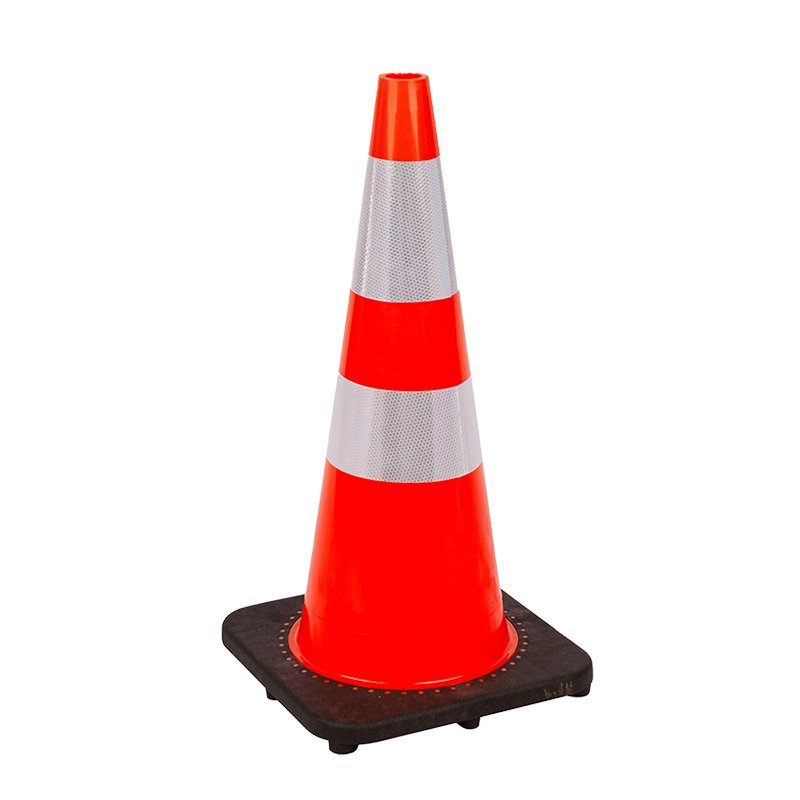
The right traffic cone depends entirely on your use case. For highway work zones, use 28-inch or 36-inch cones with reflective collars and a minimum 10-pound rubber base. For indoor or low-speed areas (under 25 mph), 18-inch or 28-inch lightweight cones (3-5 lbs) are sufficient. Always check that cones meet MUTCD (Manual on Uniform Traffic Control Devices) standards for retroreflection and color when used on public roads.
Selecting a traffic cone is not one-size-fits-all. The three most critical factors are physical dimensions, weight, and base design. Below is a data-driven comparison to guide your purchase.
| Application | Cone Height | Weight Range | Base Type |
|---|---|---|---|
| Parking lots / indoor | 18" - 28" | 2 - 5 lbs | Solid rubber or flat base |
| Residential streets (<25 mph) | 28" | 5 - 7 lbs | Square rubber base |
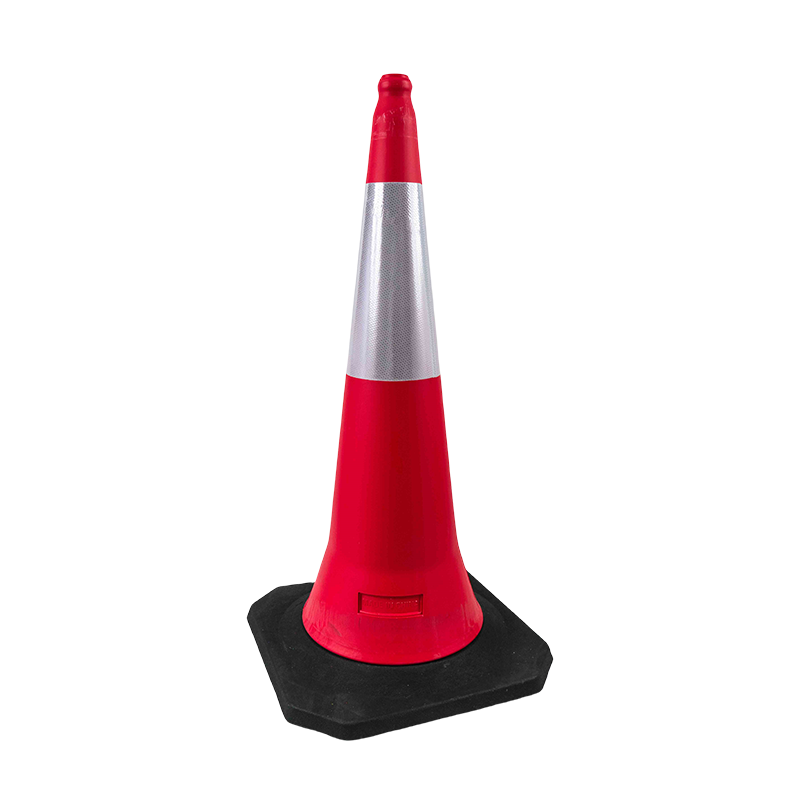
| Highways / work zones (>45 mph) | 36" or 45" | 10 - 15 lbs | Reinforced rubber with handle holes |
Heavier cones (10+ lbs) reduce tip-over risk by over 70% in high-wind or high-speed conditions. For night work, ensure the cone has two reflective collars – orange cones with white reflective tape are the most visible.
The material dictates longevity and stability. Here is how the three main options compare:
For 90% of professional road work, rubber cones offer the best balance of stability and cost-effectiveness. Data from state DOTs show rubber cones reduce replacement frequency by 60% compared to PVC.
If you use traffic cones on public roads in the US, federal standards apply. The MUTCD 2009 Edition (Section 6F.63) mandates:
Non-compliant cones can result in fines up to $5,000 per incident and liability in case of an accident. Always look for a "MUTCD compliant" label from a reputable brand like Vulcan, TrafficGuard, or Eastern Metal.
The MUTCD recommends a cone spacing of 20 feet on straight roads and 5-10 feet on curves or ramps. That means 5 cones per 100 linear feet for basic channelization. For taper zones (merging traffic), use one cone per 10 feet of taper length.
Yes. Most cones are designed with a tapered shape and hollow base allowing stacking. You can safely stack up to 25 cones (18-inch) or 15 cones (36-inch) without base deformation. Use cone racks or dollies to prevent tipping.
Rubber cones: 3-5 years full sun exposure. PVC cones: 1-2 years. UV degradation causes color fading and brittleness. To extend life, store cones indoors when not in use. Some high-grade polyurethane cones offer 10-year UV warranties.
Yes for outdoor wind speeds above 15 mph. A 7-lb cone without a weighted base will tip at 18-20 mph wind. A 10-lb rubber base cone withstands 30-35 mph gusts. For hurricane-prone regions, use cones with water-fillable bases – each holds up to 25 lbs of water.
Absolutely. For private use (no public roads), you do not need MUTCD compliance. 18-inch or 28-inch lightweight PVC cones ($3-$8 each) are sufficient. Add reflective tape only if event runs after dusk. Many event planners use collapsible cones to save storage space.
Pricing varies by quality and compliance. Use these real-market benchmarks when purchasing:
Trusted suppliers include: Grainger, Uline, Seton, Traffic Safety Store, and Home Depot Pro. For state DOT contracts, buy directly from manufacturers like Dickinson, Pexco, or Plastic Safety Systems. Always request a sample before ordering more than 100 units.
Final pro tip: Invest 20% more upfront in high-density rubber cones with sewn-on reflective collars. They will last 3x longer than glued-on alternatives, saving you money over two years.
Se centra en la solución general del sistema de transferencia de puerto de material a granel seco,
Investigación y desarrollo,
fabricación y servicio
Contáctenos
ContáctenosSeñorita Jenny
+86 136 5588 7720
sales8@hoyoungsafety.com
sales1@hoyoungsafety.com